

Silicone Sheets for Breast Reduction Scars

Healing from breast reduction involves many important steps, especially when it comes to scar care. Many patients at the New Orleans Breast Reduction Center want to know how they can help their incisions heal flatter and softer.
Silicone sheets have become a sought-after tool for improving the appearance of breast reduction scars. As you learn more about silicone sheets, you will see why our team often recommends them for gentle, effective support throughout your recovery.
Below, our surgeons explain how silicone sheets work, when to use them, and how to get the best results. You will also find practical tips that can help you feel confident about nurturing your skin after your reduction surgery.
Key Takeaways
Why Scars Form After Breast Reduction
Healing from breast reduction surgery is a process that involves changes in your skin and tissue. Your body works to close the incisions, and this produces scars.
Scars form as part of your body’s natural process to protect and repair itself after surgery. Each person heals at a different pace, and many factors can affect the final look of your scars.
Types of Scars Seen After Breast Reduction
You may notice that breast reduction scars can take different shapes. Most often, these incisions follow one of three common breast reduction techniques.
- Anchor (Inverted-T) pattern: Scars appear around the areola, run vertically down, and extend along the breast crease.
- Vertical (Lollipop) pattern: Scars run around the areola and vertically down to the breast crease.
- Donut (Periareolar) pattern: Incision circles only the areola, with minimal or no downward extension.
Scars tend to be red or darker at first and may look raised or firm. They can gradually fade, soften, and flatten throughout the first year.
How Silicone Sheets Help Heal Scars
Silicone has transformed scar care for many of our patients. This material forms a soft, flexible covering that protects healing skin and helps blend scars into the surrounding tissue.
Silicone sheets keep scar tissue moist. This hydration prevents the skin from drying out and forming thick or raised scars. Patients also find that the covering protects delicate skin as it matures.
When applied over breast reduction scars, silicone sheets can make scars look and feel less prominent. Many medical studies and patient reports support their benefits, especially when combined with gentle handling and sun protection.
What Silicone Sheets Do That Other Products Cannot
Regular creams and ointments can moisturize the area, but silicone sheets provide a gentle pressure and barrier effect. This unique environment signals the skin not to build thick, “overhealed” scar tissue.
Silicone sheets do not treat pain or infection, but they do target the cosmetic aspects of scar healing. This difference makes them especially useful during the long process of scar maturation.

When to Start Silicone Sheet Treatment
The right time to begin using silicone sheets depends on how your healing progresses. Our surgical team will guide you at each step.
You must wait until your incisions have fully closed. There should be no open areas, scabs, or drainage. For most patients, this happens about two to four weeks after surgery, but it can vary.
If you begin too soon, you may trap moisture or bacteria under the sheet, which can slow healing. Waiting for the skin to seal gives you the best outcome and avoids complications.
Before adding any scar product, check with your provider to make sure the timing is right for your situation.
How to Use Silicone Sheets on Breast Reduction Scars
Getting the best results from silicone sheets depends on careful, consistent application. Our team at the New Orleans Breast Reduction Center will explain what to expect and how to use them safely.
Steps for Applying and Caring for Silicone Sheets
Proper use of silicone sheets helps maximize their impact on your scars. Follow these straightforward steps each day.
- Wash your hands and scars: Use gentle soap and lukewarm water to reduce the risk of irritation or infection.
- Dry the area carefully: Pat both your scars and hands dry before applying your sheets.
- Cut sheets to size: Trim the silicone sheets so they cover the scar completely but avoid healthy skin whenever possible.
- Apply the sheet with gentle pressure: Place the sticky side over the scar, smoothing it out so there are no wrinkles.
- Wear the sheets for 12-24 hours: Most people wear them as much of the day as possible, removing only to wash the skin and clean the sheets.
- Clean the sheets regularly: Rinse sheets as instructed by the manufacturer, then dry before reapplying.
The key to success lies in daily use over several months. Most patients continue for three to six months and watch their scars gradually soften and fade.
Choosing the Right Silicone Sheets for Your Needs
Not all silicone sheets work the same, and choosing the right product plays a big role in your satisfaction and healing outcome. Our surgeons can point you toward trusted brands and formats.
Types of Silicone Scar Products
Several options exist for silicone-based scar care.
- Adhesive silicone sheets: Flexible, self-adhesive strips that you can cut and place over scars.
- Non-adhesive silicone sheets: These need to be secured with medical tape or a garment.
- Silicone gels: Gels can be helpful for areas that move a lot, but sheets provide more even pressure for breast scars.
You should use products designed specifically for post-surgical scars. Avoid generic household silicone patches, which often do not provide the same quality or safety.
Your surgeon will recommend the format that fits your skin, activity level, and the shape of your scars.
Advantages and Limitations of Silicone Sheets
Silicone sheets offer valuable benefits for many patients, but like any tool, they have some limits. You can get a clearer idea by looking at what silicone sheets can and cannot do.
Benefits of Silicone Sheets
- Non-invasive care: You can use silicone sheets at home without the need for needles or medications.
- Easy to use: Most people find the sheets simple to apply and maintain.
Potential Drawbacks and Limitations
Silicone sheets can sometimes cause mild skin irritation, especially in hot or humid climates. If you notice redness, itching, or a rash, remove the sheets and speak with your surgeon.
Some scars, such as keloids or those with thickened tissue, may benefit from other treatments as well. Silicone sheets usually work best as part of a broader scar care plan.
Tips for Better Results with Silicone Sheets
You can do several small things that help your silicone sheet treatment work better. Our providers recommend a few key strategies that benefit most patients.
Supporting Your Scars Beyond Silicone Sheets
- Keep scars out of the sun: UV rays can darken healing scars, making them more visible for longer.
- Avoid friction and pressure: Loose, soft clothing reduces rubbing and helps your skin stay calm.
- Practice patience: Scars often change the most during the first six to twelve months after surgery.
- Combine with gentle massage: If recommended by your provider, massaging scars with the pads of your fingers can help soften tight or raised spots.
- Stay in touch with your care team: If you have questions, concerns, or notice unusual changes, reach out to your surgical team for guidance.
Consistency produces real results, and you should keep up with all aspects of your scar care plan as discussed with your providers.
When to Call Your Surgeon About Scars
Most breast reduction scars heal without problems, but there are times you may need support or advice. At our New Orleans office, we encourage you to let your surgical team know about any unexpected issues.
Watch for these signs and contact your provider if needed:
- Redness, drainage, or swelling: This may signal an infection or reaction that needs attention.
- Significant pain or hardness: Some discomfort is normal, but ongoing pain or lumps should be checked.
- Worsening appearance: If your scars become raised, widened, or darker over time, ask what else can help.
- Allergic reaction: Hives, rash, or itching that does not improve after removing the sheet means you may need a different scar option.
Your surgeon can adjust your care plan to keep healing on track while supporting your long-term results.
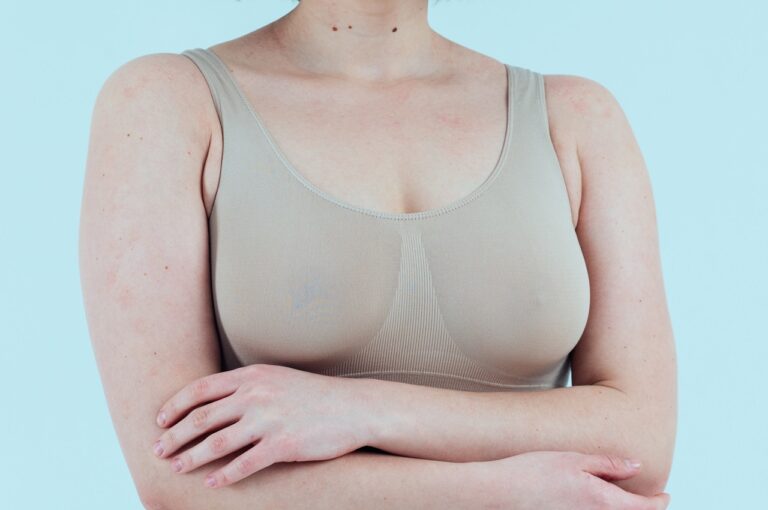
What to Expect for Your Scars in the Long Run
Scar healing and tissue settling continue well past the early recovery stages. Most residual swelling resolves early, and observing your breasts’ appearance at seven months reflects a refined contour, even though fine improvements will persist for up to two years.
Most scars start out pink or red, become softer, and then fade. With the right care, including silicone sheets and sun protection, scars can become barely noticeable over time.
No two people will heal in exactly the same way. Genetics, skin tone, and aftercare routine all play roles in your final result.
If you have a history of darker scars or are prone to keloids, your surgeon can recommend additional treatments along with silicone sheets.
Common Questions About Silicone Sheets for Breast Reduction Scars
Patients at the New Orleans Breast Reduction Center often share the same questions about scar care. These answers can help you feel prepared and informed about using silicone sheets.
Finding Confidence in Your Recovery
Healing after breast reduction is a journey that can transform not only your figure but also your comfort and self-image. Safe, gentle scar care helps you get the most satisfying result from your procedure.
Silicone sheets provide a reliable way to care for your new scars. Our surgical team has seen how powerful consistent, mindful scar care can be in helping you feel happy with your outcome.
If you want to learn more about silicone sheets, or if you have questions about your own recovery, our surgeons at the New Orleans Breast Reduction Center are here to support you. Every patient has unique needs, and we can help design a scar care plan that fits your skin, healing pace, and goals.
Contact our office to schedule a consultation or follow-up visit at a time that works for you. Our commitment is to support you every step of the way as you heal and move forward with confidence.