

How Small Can a Breast Reduction Go?
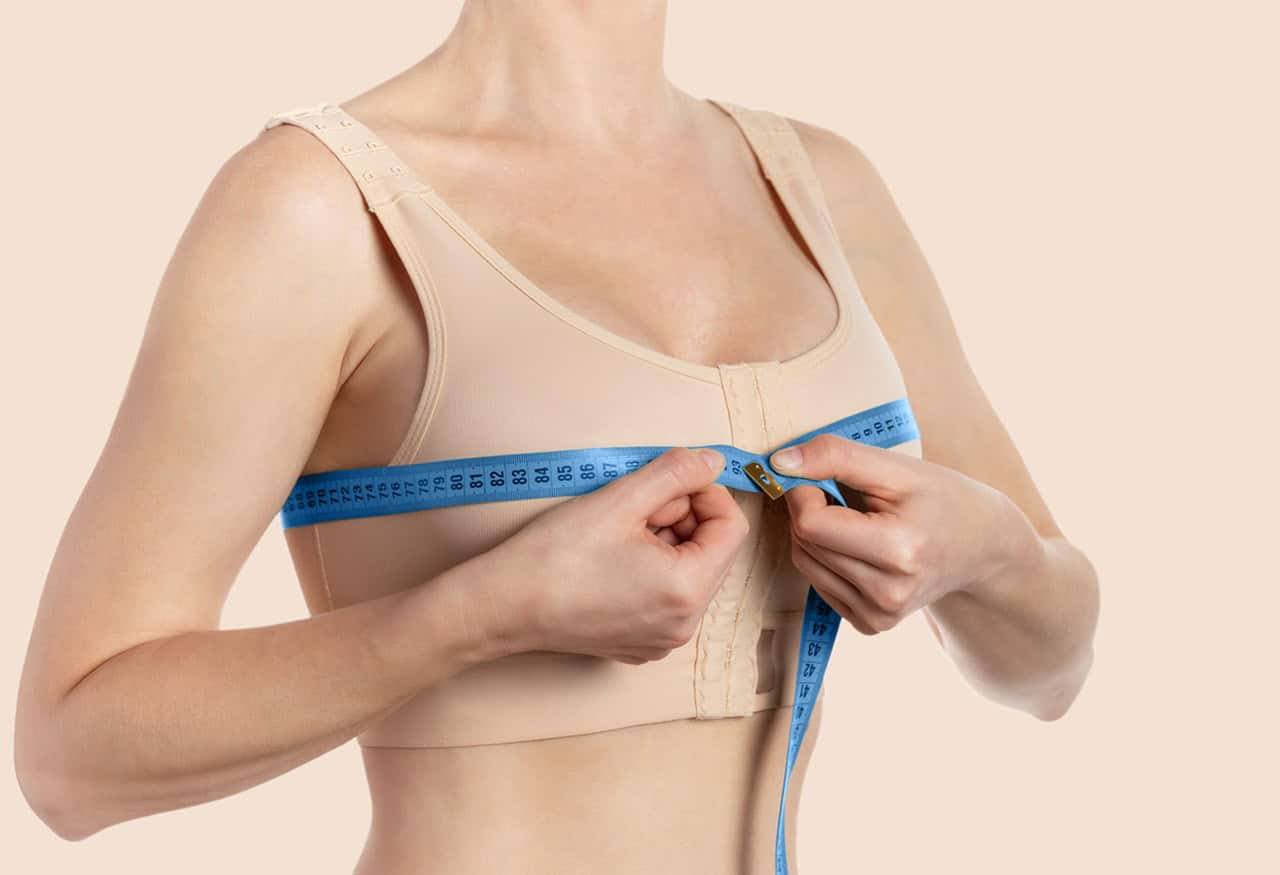
If you have ever wondered how much smaller your breasts can safely go through reduction surgery, you are not alone in seeking answers. Many people come to the New Orleans Breast Reduction Center with unique goals, hoping to find relief from discomfort while achieving a breast size that truly feels right.
You probably have questions about just how small your breasts can become after surgery and what factors might set these limits. At our center, we know that clear insight into your options empowers you to make the best choice for your body and peace of mind. Our surgeons want you to have complete information as you plan for breast reduction.
Key Takeaways
The Basics of Breast Reduction Size Limits
You likely have a specific cup size in mind after breast reduction, but several details affect how small you can go. Your starting breast size, body frame, skin quality, and breast tissue type all play a part in shaping this answer.
At the New Orleans Breast Reduction Center, we always balance your aesthetic goals with your safety. Our top priority is a healthy outcome that makes you feel comfortable and confident.
What Breast Reduction Actually Involves
Breast reduction surgery removes excess breast tissue, fat, and skin. Surgeons then reshape your breasts while moving the nipple and areola higher for a natural look. Your new breast size depends on how much tissue we safely remove and your body’s own structure.
How Medical Necessity Plays a Part
Many people seek breast reduction for relief from neck, shoulder, or back pain. Insurance companies, in some cases, require a minimum amount of tissue to be removed for approval. This can play a role in setting the lower limit of how small your breasts can safely be reduced.
Factors That Set the Smallest Possible Size
Some patients hope for very small breasts after surgery. However, medical and anatomical realities set a minimum safe size. Several factors come into play during your consultation.
Skin Quality and Elasticity
Your skin must be elastic and healthy enough to shrink down and support the new smaller breast shape. When the skin lacks healthy elasticity or has become stretched over time, it may not allow for a very small outcome.
Blood Supply to the Nipple and Areola
Our surgeons carefully preserve the blood supply to your nipples and areolas. Removing too much tissue or reshaping too aggressively can threaten this delicate network. If blood flow is at risk, surgeons may advise against a very dramatic size reduction.
Chest Wall and Tissue Thickness
Your own chest wall dimensions and the natural amount of glandular and fatty tissue create a foundation for your surgical plan. In some cases, there is a limit to how much tissue can be safely removed without losing the natural contour of the chest.
Desired Breast Shape and Aesthetic Goals
Our team values your aesthetic goals and works with you to find the ideal size, whether you are seeking a reconstructive treatment or a purely cosmetic breast reduction. However, extremely small reductions may lead to remaining skin puckering, flatness, or an unnatural shape if you start with a larger breast size. Balancing your wishes with surgical reality ensures high satisfaction and long-term comfort.
Minimum Breast Size After Reduction: What Sets the Physical Limit?
Each patient’s “smallest possible” size varies based on individual factors. There is no universal minimum.
The lowest achievable breast size is usually a small B or C cup for most people starting with a larger chest. Some patients with smaller frames or less glandular tissue may reach an A cup. However, it is rare and not always advisable to go much smaller, especially if your natural body shape supports fuller breasts.
Surgeons always discuss realistic options during your consultation. The goal is to align your reduction dreams with the safest surgical result.
Risks of Going “Too Small” With Breast Reduction
Patients often request the smallest size possible, hoping to put pain and discomfort behind them for good. Yet, extremely aggressive reductions can lead to a range of concerns.
Loss of Nipple Sensitivity and Blood Flow
Removing too much tissue or moving the nipple and areola too dramatically can compromise nerves or blood vessels. This increases the risk of losing nipple sensation or even the nipple itself. Our surgical team always talks through the risks so you know what to expect.
Increased Risk of Shape and Contour Irregularities
Very small breast sizes may lead to a flat or boxy appearance if the surrounding skin cannot shrink sufficiently. This effect sometimes makes the chest appear “deflated” or leaves excess, loose skin.
Higher Chance of Visible or Unusual Scarring
Extensive reduction usually requires larger, more complex incisions. This can result in more prominent or unusual scarring, which might not fade as well over time.
Realistic goals provide the best chances of a smooth recovery and a balanced, attractive result.
The Role of Your Body Frame and Starting Size
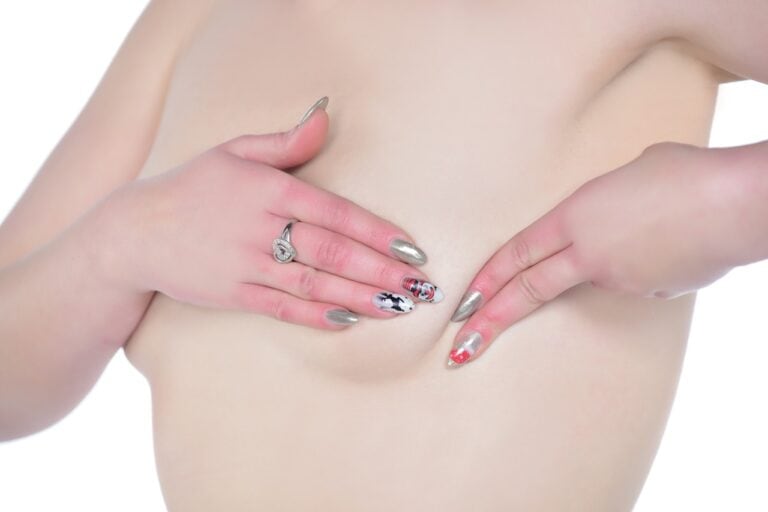
Your natural body proportions influence how small you can safely go with breast reduction.
A petite person with a narrow rib cage usually can achieve a smaller final breast size than someone with a broader frame. Large bone structure, wide-set breasts, and thicker chest walls limit the degree to which the breasts can be reduced.
Our providers always review your specific measurements and body type during your planning visits. We consider your clothing fit, athletic goals, and desired silhouette as part of your care.
Common Surgical Techniques for Smaller Outcomes
Several different breast reduction approaches help tailor your reduction to fit your size goal. Your surgeon will choose the method best suited to your anatomy and safe size wishes.
Standard Breast Reduction with Pedicle Technique
Most reductions use a technique called the pedicle method. This approach preserves nerves and blood supply while letting surgeons remove substantial tissue and adjust nipple placement.
Free Nipple Graft for Extreme Size Change
For patients seeking the smallest breast size possible, a free nipple graft technique may be recommended. This method detaches the nipple fully before reattaching it after reducing the breast mound. While more aggressive, it carries a higher risk of sensitivity loss and flatness.
Surgeons use this method only when smaller, safer techniques cannot meet the patient’s goals.
Factors Our Team Considers When Planning Your Reduction
Decisions about size, shape, and safety require careful evaluation by our surgical team. Several core considerations stand out during pre-surgery planning.
Here are the primary factors our surgeons review during your breast reduction process:
- Your Health History: Chronic conditions, such as diabetes, clotting disorders, or smoking, can raise surgical risks and may limit the size reduction.
- Skin and Breast Tissue Quality: The elasticity and overall health of your breast skin and underlying tissue affect how small the breast can be reshaped without appearing puckered or irregular.
- Blood Flow and Nerve Integrity: We carefully plan incisions and tissue removal to protect nerves and blood vessels, which preserves nipple health.
- Weight and Body Mass Index (BMI): Higher body weight can affect healing and influence the final shape of your reduced breasts.
- Desired Look and Functional Goals: We always listen closely to your hopes for breast size, position, and appearance, while balancing this with safe surgical practice.
- Scar Location and Healing Capacity: We consider your skin tone, healing history, and how your scars may behave over time to advise the best incision option.
This holistic approach ensures your plan is safe, effective, and tailored for you.
Typical Results: How Small Can You Expect to Go?
Most patients reach a size reduction of one to three cup sizes, depending on their anatomy and tissue amount. For those with very large breasts to start, the final size often falls within a small C to large B cup.
Some patients with petite frames seek an A cup, though this is not always possible or advisable. Our goal is always a natural, comfortable breast size that leaves you balanced and proportioned.
Breast Shape and Upper Fullness
As breasts become smaller through reduction, the upper pole (upper portion) often loses fullness. You should expect a more moderate, lifted contour rather than the rounded shape seen in breast augmentation. Communicate your shape goals clearly for the best results.
Benefits and Drawbacks of Achieving the Smallest Size
Hoping for the smallest cup size can bring both rewards and trade-offs. Our surgeons want you to see the full picture.
Here are some pros and cons to help you decide on the smallest achievable breast size:
- More Relief from Symptoms: Smaller breasts can mean less pain and better ease of activity.
- Higher Risk of Flatness: Extremely small reductions may leave breasts looking flat, with less projection and volume.
- Possible Loss of Sensation: Aggressive reductions raise the risk of losing nipple or skin sensation.
- Longer or More Noticeable Scars: Large reductions often require longer incisions, which sometimes leave more obvious scars.
- Lower Risk of Regrowth: The less breast tissue left, the lower the odds that weight gain or hormonal changes will increase your breast size in the future.
We review all these points during your consultation, helping you choose the right balance for your goals and comfort.
Surgery Recovery and Aftercare When Reducing to Smallest Size
Recovery after breast reduction depends on how much tissue our surgeons remove and the technique used. If you aim for a very small final size, you should expect a few differences in aftercare and healing.
Timeline and Typical Restrictions
You will need to take about one to two weeks away from most work and daily activities. Extra-small reductions sometimes add days to the recovery timetable due to longer incisions or more skin removal. Heavy lifting and strenuous exercise remain off limits for about four to six weeks.
Scar Care and Sensation Monitoring
Our surgeons give special instructions for keeping your scars clean and for watching nipple sensation during healing. In some cases, sensation returns slowly or incompletely, particularly after an aggressive reduction.
Fitting and Shopping for New Bras
Very small, post-reduction breasts sometimes require a custom or specialty bra, especially just after surgery. Our staff helps you find a comfortable fit as swelling resolves and your final breast shape settles.
Candidacy for Ultra-Small Reductions
Not every person is a safe candidate for the smallest possible breast size. During your consultation, our team reviews your overall health, medical history, lifestyle, and specific goals.
Maintaining a healthy weight before breast reduction, combined with good skin quality, allows candidates to safely achieve more dramatic size decreases. Conversely, patients who have chronic illness, poor skin elasticity, or wound healing risks may require a more conservative approach.
Your plan should always reflect your lifestyle, overall wellness, and long-term comfort.
Questions to Ask at Your Consultation
We encourage you to come to your appointment ready to discuss your smallest size goals. Good questions help guide the conversation and clarify your choices.
- What is the smallest cup size you recommend for my body frame?
- How will my nipple sensitivity be affected by a larger reduction?
- Can you show photos of patients with similar starting size and reduction?
- What are the risks of flatness or unusual breast shape in my case?
- Will insurance cover the amount of tissue I hope to remove?
- How long is recovery after a more dramatic reduction?
Clear communication supports safe planning and higher satisfaction.

Your Next Steps: Planning for Your Best Results
Every breast reduction journey starts with a personal conversation. At your consultation, our surgeons will listen to your hopes, review your measurements, and answer your questions openly.
A personalized plan reflects what is safe, healthy, and realistic for your body, frame, skin, and tissue. You will receive honest advice about the smallest safe size, the surgical risks, and the appearance you can expect.
When you feel informed, supported, and ready, you set yourself up for the smoothest process and happiest outcome.
Making Your Smallest Size Goal Safe and Achievable
You now know the answer to “How small can a breast reduction go?” depends on your unique anatomy, health, and healing needs. At the New Orleans Breast Reduction Center, our surgical team focuses on both safety and the look you want.
The limit for breast size reduction comes from a combination of tissue type, skin quality, blood supply, your body frame, and your personal preferences. Our team always weighs these carefully to help define the safest and most pleasing size for you.
If you are hoping for a dramatic change or wondering what reduction can achieve for you, reach out for a consultation. Our friendly, skilled team can help you plan the breast reduction that matches your vision and brings new comfort to your life. Schedule a visit with the New Orleans Breast Reduction Center anytime to start your conversation.