Itching During Breast Reduction Healing
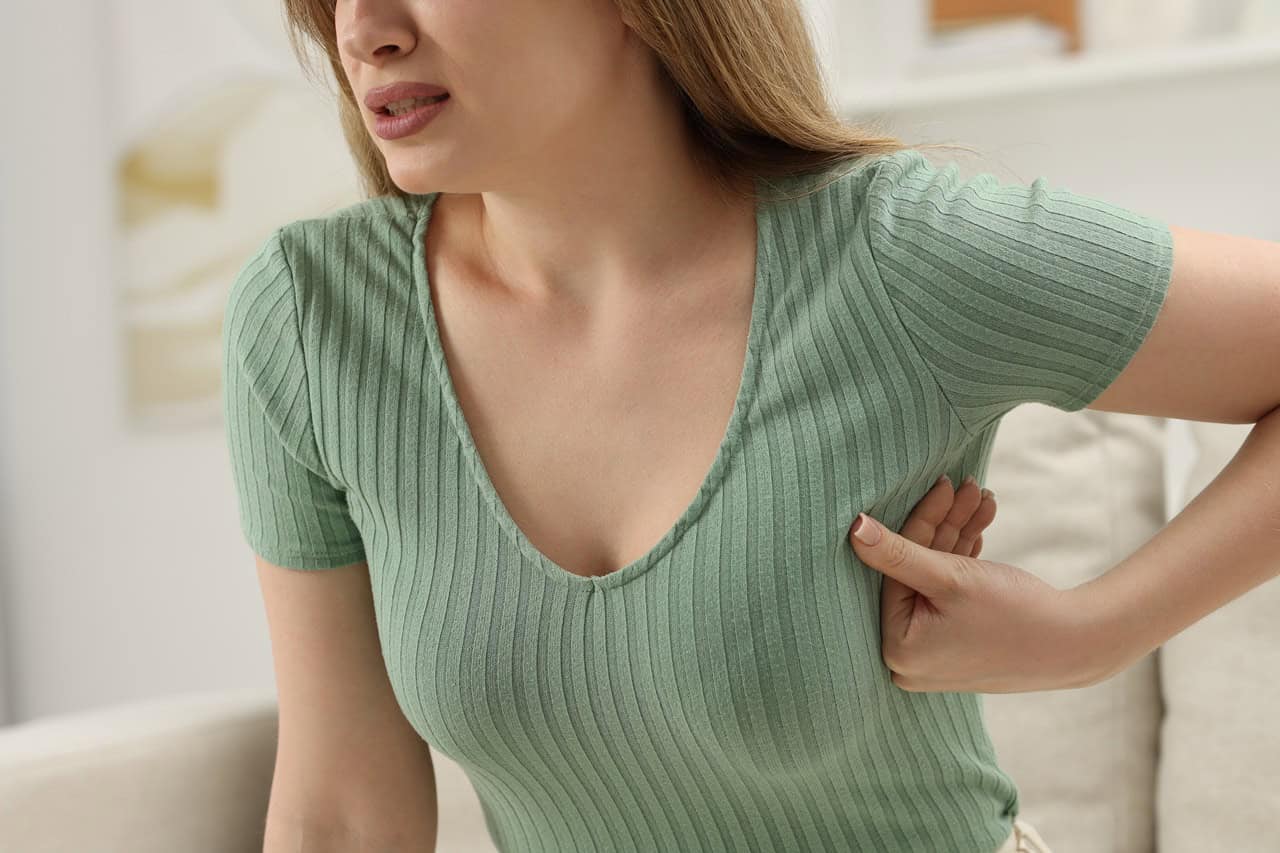
Patients who choose breast reduction surgery often feel excited about the outcome and relief the procedure brings. However, the recovery process comes with its own challenges and surprises, and itching around the healing breasts is one of the most common.
At the New Orleans Breast Reduction Center, our team sees patients experience different sensations during healing. You might feel eager for the results, but itching can be distracting and even worrisome if you do not know what to expect. The good news is that most itching during recovery comes from normal healing, and there are practical ways to manage it.
Our surgeons want you to feel confident and comfortable during your healing journey. Below you will find everything you should know about itching after breast reduction, what is normal, when to have concerns, and how our team helps you through each step.
Key Takeaways
Why Your Breasts Itch After Reduction Surgery
Healing breasts can surprise many patients with tingling, tightness, and especially itching throughout breast reduction recovery. This discomfort usually develops as the body’s natural repair processes get underway.
Itching may become most noticeable a few days after surgery. The healing process usually leads to new tissue growth and improved circulation, both of which trigger sensations in the nerve endings under your skin.
The Physiology Behind Itching After Surgery
Your body interprets certain chemical messages in healing skin as itch signals. These signals occur when nerves recover from surgery or when newly forming skin cells interact with the surrounding tissue.
The immune system also releases substances during inflammation that can increase itchiness. As the wound seals and strengthens, you may discover the skin feels tight, stretched, or oddly sensitive.
The Most Common Reasons You Notice Itching
Several normal processes can cause itching during breast reduction recovery. Recognizing the cause helps you deal with the sensation confidently.
Nerve Regeneration
Your skin and underlying tissue contain tiny nerves that may be disturbed during surgery. As these nerves heal, they may send random signals to your brain. This often feels like tingling, stinging, or itching.
Nerve regrowth is a sign of progress. The sensation means nerves are reconnecting, and sensitivity will usually lessen after a few weeks.
Skin Healing and Tightness
Surgical incisions prompt the body to produce new skin and connective tissue in the area. New skin often feels dry, tight, and itchy as it forms. Swelling near the incision can also put pressure on nerves and trigger itchiness.
Scab Formation
Scabs develop over incisions as a protective barrier. They frequently itch as they dry out and eventually separate from the healed tissue underneath. Picking at scabs can increase the risk of scarring or infection, so keep the area protected and avoid scratching.
Factors That Make Itching Worse
Every patient heals differently. Certain conditions or habits can intensify your itchiness during breast reduction recovery.
You might notice more itching if you have:
- Dry Skin: Air-conditioned environments, hot showers, or some dressings can parch your skin, intensifying the urge to scratch.
- Tight Clothing: Bras, support garments, or clothing that rubs on your incisions can make the skin more irritated and itchy.
- Allergic Reactions: Occasionally, adhesives, ointments, or surgical dressings may irritate sensitive skin.
- Excessive Swelling: When swelling increases pressure in healing tissue, this may overstimulate the nerves and worsen itching.
Our surgeons will ask you about your history of skin sensitivities or allergies before surgery to help minimize these risks. If you report a persistent or severe itch, we can adjust products and techniques to make your recovery smoother.
Itching After Breast Reduction: Normal vs. Not
It is important to know what types of itching you can consider normal so you do not worry unnecessarily. At the same time, certain symptoms mean you should call our office right away.
Normal Healing Itch
- Itching remains near the incision sites only
- Sensations improve or fluctuate within a few days or weeks
- There are no other symptoms like fever, pus, or increasing redness
This itching feels mild to moderate and often accompanies a sensation of tightness or tingling. The area around your incision may seem dry and slightly flaky.
Concerning Signs Needing Attention
- Severe itching that spreads beyond your surgical area
- Rash, blistering, or hives developing anywhere on your chest or body
- Persistent itching that grows worse rather than better
- Signs of infection, such as warmth, swelling, pus, fever, or foul odor
- Difficulty breathing or swelling in your throat or face
Contact our team if you experience any symptoms from the second list. Our doctors will evaluate your situation and recommend the best next steps.

Managing and Relieving Itching During Recovery
Itching can become very distracting. Our providers want you to feel as comfortable as possible during your recovery. Fortunately, you can take several steps to relieve itching and support healing.
Safe Home Care Steps
Following your surgeon’s instructions about wound care is the most important action for comfort and results. Most patients can try these steps for mild-to-moderate itching:
- Keep incisions clean and dry as advised
- Wear soft, loose-fitting bras and shirts
- Use cool compresses on the chest, but never wet your incision
- Apply only moisturizers or ointments recommended by your surgeon
You should avoid scratching, rubbing, or picking at your incisions. These actions may slow healing and lead to infection or more noticeable scars.
Medications for Itching
Our surgeons may recommend an over-the-counter antihistamine if your itching is bothersome but not severe. Some patients find relief with oral medications. Do not apply medication creams or ointments unless our team approves them.
Prescription medications might be needed in rare cases of significant discomfort or allergic reaction, so always reach out if symptoms do not improve quickly.
How Our Practice Helps with Itching
Our surgical team will provide detailed postoperative instructions and explain what sensations to expect, such as tingling and itching. We tailor these instructions to your specific surgery and health needs.
At each follow-up, our team will check your incisions and help you manage any ongoing discomfort. You can call our office with questions or concerns at any stage of your recovery.
How Long Does Itching Last After Breast Reduction?
Although itching can feel frustrating, most patients find that it truly is temporary. The timeline usually follows a predictable pattern.
Stages of Itching
You might notice these general stages after your breast reduction:
- First Week: Mild tingling or itch as swelling sets in.
- One to Two Weeks: Peak itchiness develops as incisions begin to heal and nerves start repairing.
- Three to Six Weeks: Itching fades as skin repairs, nerves settle, and swelling goes down.
Some people experience faint, occasional itching for a few months, especially as scars mature and smooth out.
Individual Factors Affecting Duration
Each person heals at a unique rate. Itching may last longer if you have dry skin, more swelling, or if your incisions heal more slowly due to other health conditions.
Our doctors monitor your progress and offer reassurance or further interventions if your symptoms linger longer than expected.
Common Myths About Post-Surgical Itching
Misconceptions about post-breast reduction itching can cause unnecessary anxiety. Our New Orleans team wants you to have the right information so you feel reassured throughout your recovery.
Myths and Facts
- Myth: Itching means your incisions are infected.
- Fact: Most itching comes from healthy nerve and skin healing, not infection.
- Myth: Scratching helps the itching stop.
- Fact: Scratching may damage the skin, increase infection risk, and harm your results.
- Myth: Everyone’s healing itch lasts the same duration.
- Fact: Itching varies from person to person based on your biology and surgical details.
If you have concerns at any point, our providers encourage honest, open communication during follow-up or over the phone.
Steps to Prevent Excessive Itching
Some habits reduce the chance of excessive itching while your breasts recover.
Healthy decisions help your skin and nerves heal as comfortably as possible.
- Stay Hydrated: Drink enough water to keep your skin supple and moist.
- Moisturize Gently: Use only products approved by our doctors, and never apply lotion directly to open incisions.
- Choose Gentle Clothing: Wear cotton bras and shirts that do not put pressure or friction on your wounds.
- Follow All Wound Care Instructions: Our surgeons provide care guidelines based on your healing stage and unique needs.
- Avoid Harsh Products: Skip highly fragrant soaps, creams, or laundry detergents during this time.
You can always reach out for tailored recommendations or if you notice any changes in your skin during recovery.
Comfort Strategies for Nighttime Itching
Many patients find that itching becomes most bothersome at night. Recognizing how much sleep matters during breast reduction recovery, adopting several targeted comfort measures can make a significant difference in helping you rest comfortably.
Sleeping in a slightly upright position may reduce swelling and pressure near the incisions, which in turn may ease itchiness. When wearing your surgical bra after breast reduction, placing cool, dry washcloths on top of the garment (without wetting the incision) relieves surface irritation and makes falling asleep easier.
If oral medication for itching is safe for you, you will get specific instructions on when to use it. Take medication only as advised by your surgeon.
What to Do if Itching Gets Severe or Unusual
While most itching means you are healing normally, there are times when you should not wait to get in touch with our practice.
Call the New Orleans Breast Reduction Center if you have:
- Severe discomfort that does not respond to home care or approved medication
- Rash, hives, or swelling of your lips or face after wearing your dressings
- Signs of infection, including fever, excessive redness, warmth, or discharge
Our doctors respond quickly to your concerns and may ask you to visit the office for evaluation. Prompt communication protects your health and recovery results.
How Our Practice Supports Your Full Recovery
Our surgical team believes that a comfortable recovery experience is just as important as surgical skill. At every postoperative appointment, we ask questions about sensations like itching, burning, or stinging.
We want you to feel empowered throughout your healing journey. Our nurses offer gentle wound care and teach you how to check your incisions for normal and unusual changes.
You receive a detailed set of healing instructions tailored to your unique health and procedure. Our phone lines are open for real-time support if a worry or problem arises between visits.
Breasts That Heal Comfortably
Itching during breast reduction healing is normal and frequently signals steady progress. Mild to moderate itchiness usually means your skin and nerves are recovering as planned, even if the sensation can be bothersome at times.
At the New Orleans Breast Reduction Center, our surgeons help you prepare for every sensation that can arise as you heal. We encourage you to use approved comfort strategies, follow aftercare instructions closely, and reach out whenever you need reassurance.
You deserve to feel comfortable, informed, and cared for at every step. If you notice symptoms that worry you or you want clear guidance on recovery, please contact our team. We would love to help you heal and enjoy your new sense of relief and confidence.
Schedule a consultation today to start your journey with a team that supports you from start to finish.