How to Sleep Comfortably After a Breast Reduction

Anyone who has recently had breast reduction surgery often finds that the first challenge is figuring out how to sleep comfortably. Besides the physical healing, restful sleep is essential for your recovery and overall well-being. At the New Orleans Breast Reduction Center, we understand that a good night’s sleep can sometimes feel just out of reach when you are adjusting to changes after surgery.
During those first weeks after your procedure, knowing what to expect and how to adapt your routine makes all the difference. This article guides you through each practical step and explains why your sleeping position and habits matter. You will discover everything you need for a smoother, safer night’s rest during your recovery.
Key Takeaways
Why Sleep Matters After Breast Reduction Surgery
Achieving restful sleep does not just help you feel better. Sleep is a vital part of the breast reduction healing process. As you sleep, your body repairs tissues and supports a healthy immune system. This becomes especially important after surgery, when your body is working hard to recover.
Our surgeons at the New Orleans Breast Reduction Center stress how poor sleep can stall your progress. A few nights of tossing and turning may not seem serious. However, weeks of disrupted rest can slow wound healing and even increase your risk for complications.
By prioritizing quality sleep, your body gets the best chance to heal efficiently and without setbacks.
The Best Sleeping Position for Recovery
Sleeping in the right position makes a huge difference in your comfort and surgical outcome. Our doctor recommends that you sleep on your back with your upper body slightly elevated.
This position helps reduce swelling and keeps pressure off your incisions. Use extra pillows behind your head, neck, and back to support this incline. Sleeping this way also helps prevent fluid buildup, which lowers the risk of hematoma or seroma.
Changing how you sleep is not always easy, especially if you naturally turn onto your side or stomach. Begin by practicing this position before your surgery. After the procedure, use pillows to block yourself from rolling over during the night.
How to Support Your Body With Pillows
Many patients underestimate the power of proper pillow placement. Pillows offer support and greatly help reduce discomfort after breast reduction.
Where to Place Pillows for Maximum Comfort
Positioning pillows the right way supports your body and stops you from shifting into unsafe postures.
- Behind Your Back: Place several firm pillows to create a gradual incline that slightly elevates your chest and shoulders above your hips. This elevates your upper body and eases swelling.
- Under Your Arms: Tuck small pillows or rolled towels under each elbow to cushion your arms. This reduces strain near your incision sites and helps you avoid tension on sutures.
- Below Your Knees: Slide a pillow under your knees as you recline. This keeps your legs comfortable, reduces lower back pressure, and makes the overall position more sustainable.
- At Your Sides: Place pillows along your torso to create a gentle barrier that prevents you from rolling onto your side or stomach during sleep.
With these supports in place, you can relax knowing your body and incisions stay protected overnight.

Managing Pain and Discomfort During Sleep
Pain and tenderness are common for several weeks after breast reduction surgery. Even mild discomfort can disrupt your sleep routine.
Our surgical team suggests you time your prescribed medications so that a dose takes effect just before bedtime. This can help minimize pain as you settle in for the night. Pairing pain medicines with cold compresses wrapped in a cloth and approved by your care provider can ease inflammation further.
If you experience tingling, throbbing, or spasms at night, adjust your pillows first. Sometimes a small change can make the position feel much more tolerable. However, if discomfort during breast reduction healing persists or worsens, contact our office. Persistent pain may signal something requiring attention.
Keeping Your Incisions Safe and Clean at Night
Protecting your incisions at all times remains a priority, but nighttime can present unique challenges. Sheets, pajamas, and movement may tug at bandages or expose wounds to bacteria.
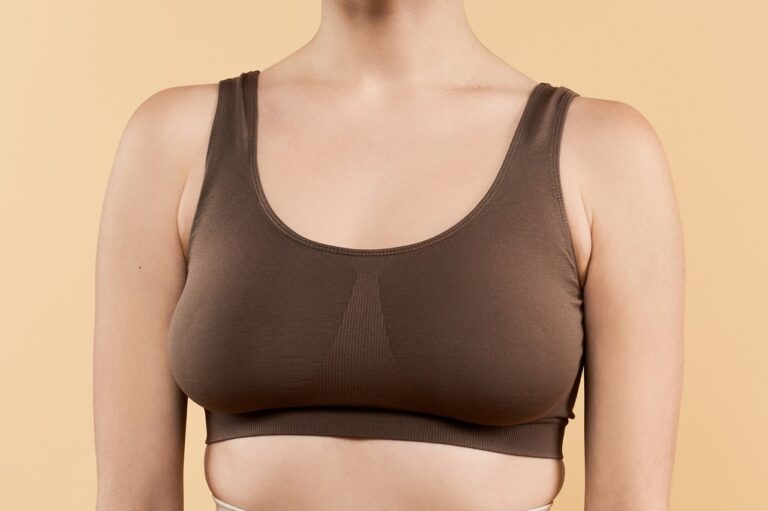
Our surgeons recommend wearing a loose, soft cotton bra or surgical garment during sleep, unless told otherwise by your care team. This offers mild compression without friction or pressure on the healing tissue.
Be certain that your dressings and surgical tapes remain dry before you get into bed. If they become damp from sweat or fluids, change them following your discharge instructions. Clean hands always come first before touching surgical areas or dressings.
Check your bedding each morning for any blood or discharge, which can reveal a leak or open wound. Contact our New Orleans office promptly if you notice unexpected changes.
Sleep Environment Essentials for Better Recovery
A restful environment speeds up your recovery. Small improvements to your bedroom can make each night much easier.
Tips for Creating a Healing Sleep Environment
A few adjustments can upgrade your sleeping experience while your body heals.
- Keep the Room Cool and Dark: Lower temperatures and less light promote deeper, more restful sleep, which helps your body recover.
- Use High-Quality, Clean Linens: Soft, breathable fabrics like cotton can prevent irritation against incision sites, and clean linens discourage infection.
- Limit Electronics Before Bed: Reducing blue light and noise lets your mind and body relax, which can make falling asleep easier.
- Arrange Items Within Reach: Store your medications, water, and phone close by so you avoid unnecessary stretching or twisting if you need them overnight.
A supportive sleep setting helps you maintain your new habits and protect healing tissues.
When to Return to Your Regular Sleep Position
Returning to your normal sleeping position is a process that requires patience. Sleeping on your stomach or side before your surgeon gives approval can stress incisions and increase complications.
At the New Orleans Breast Reduction Center, our team usually clears patients to go back to their preferred sleeping posture four to six weeks after surgery. This timeframe may change depending on your healing and any issues with swelling or wound closure.
It helps to wait until you feel no pain when lying on your side or stomach. Always check with your doctor at your follow-up appointment before you switch back to your old sleeping habits.
Addressing Common Sleep Challenges During Breast Reduction Recovery
It’s natural to face setbacks during recovery. Most problems are temporary and have solutions, especially if you stay mindful of your body’s signals.
Common Sleep Problems and How to Handle Them
Several obstacles may show up during the first weeks after surgery.
- Swelling or Stiffness: Swelling is normal and can make movement awkward. Elevate your upper body and use cold packs with your doctor’s approval to lower discomfort.
- Restlessness: New routines and discomfort can disrupt your sleep cycle. Stick to the same bedtime every night and use a relaxing routine before sleep.
- Stress or Anxiety About Healing: Uncertainty over your results or worrying about wound care can keep you awake. If this happens, reach out to our team for reassurance or guidance.
Most difficulties resolve within a few weeks, as your body adapts and your confidence grows.
Important Sleep Do’s and Don’ts After Breast Reduction
You can improve your comfort and healing by following our most important sleep tips. Avoiding risky behaviors helps you steer clear of setbacks.
Sleep Do’s
Following best practices protects your incision sites and healing tissue.
- Sleep on Your Back: This position keeps pressure off incisions and supports proper healing.
- Elevate Your Upper Body: Raising your torso reduces swelling, making sleep more comfortable.
- Wear Your Surgical Bra: Unless told not to by your surgeon, wear prescribed support garments at night to ensure proper healing, as using high-quality post-surgical bras offers essential stability and continuous support during rest.
- Change Positions Slowly: Move carefully when getting in or out of bed, and take your time to prevent pulling on incisions.
Sleep Don’ts
Certain habits can undo progress and even cause injury during the early recovery phase.
- Do Not Sleep on Your Stomach or Side Too Soon: These positions strain healing tissue and can delay recovery.
- Avoid Rough Pajamas or Linens: Rough fabrics can catch on dressings and irritate skin.
- Do Not Ignore Oozing or New Pain: If you notice new discharge or sharp pain, call our office right away for guidance.
Choosing healthy sleep habits shortens your recovery, avoids complications, and helps support the most attractive results of breast reduction.
How Long to Expect Changes in Sleep Habits
Many patients want to know when things return to normal. The answer depends on your natural sleep posture, your surgeon’s advice, and how quickly your body heals.
Most people must sleep on their back for four to six weeks. Swelling and tenderness will improve steadily, making it easier to get comfortable with time. Some sleep changes linger until all swelling has faded, which can take several months.
Try to focus on your progress. Each week will bring more flexibility. By your follow-up visits at the New Orleans clinic, you and our doctor can assess when it’s safe to resume regular habits, including a comfortable, pain-free return to driving after breast reduction.

Choosing the Right Time to Ask for Help
Trust your own comfort level during the healing process. You should alert your surgeon if you notice sharp pain, bleeding, unusual swelling, or signs of infection at any point. Many problems improve on their own with position changes or medication, but do not hesitate to seek professional advice for persistent concerns.
Our team at the New Orleans Breast Reduction Center encourages all patients to reach out if sleep remains a struggle for more than two weeks after surgery. Sleep is too important to your recovery to dismiss ongoing problems or discomfort.
Frequently Asked Questions About Sleep After Breast Reduction
Every patient’s experience is different. Certain questions come up more often than others during the recovery process.
Getting Comfortable With Restful Sleep After Breast Reduction
You can expect challenges as you adjust your sleeping habits after breast reduction surgery, but these usually fade as you recover. Back-sleeping with your upper body elevated, using the right pillows, and wearing proper sleep garments protect your results and chance of breastfeeding later.
The first few weeks feel far less frustrating and worrisome once you know what steps to expect. Following your surgeon’s advice on sleep, pain management, and wound care will also make a big difference in your recovery.
If you still have questions or want to discuss your personal recovery plan, reach out now to the team at the New Orleans Breast Reduction Center. Scheduling a visit lets us support you with one-on-one guidance, so you can feel confident every step of the way.