Safe Return to Driving After Breast Reduction

Breast reduction surgery can change the way you feel about your body and daily life. While the relief from pain and discomfort often comes quickly, returning to normal activities such as driving takes some extra planning and care.
At the New Orleans Breast Reduction Center, our surgeons want you to feel safe and well-informed about each step of recovery. Many patients ask when they can safely drive again after breast reduction. Knowing what must happen first will help you avoid setbacks and feel confident about this important milestone.
Key Takeaways
About Breast Reduction Surgery and Post-Op Recovery
Breast reduction surgery, also known as reduction mammoplasty, helps reduce shoulder, neck, and back pain caused by excess breast tissue. Our team removes extra skin, fat, and tissue while reshaping and lifting the breasts.
Right after surgery, our staff guides you through the recovery process. You can expect some soreness and swelling. These sensations improve as your body heals in the following weeks.
Activity limits are vital during recovery. We advise you to rest and avoid raising your arms or making sudden movements. Following your surgeon’s guidance keeps your healing on track and helps you avoid complications.
Driving is an activity that returns later in the breast reduction recovery timeline. It requires full control of your body and rapid reflexes. Our providers will thoroughly review your progress before you get behind the wheel.
What Needs to Happen Before Driving
Regaining the ability to drive safely is about more than just time passing. Several specific indicators signal that your body is ready.
Pain Control Without Narcotics
Before driving, you should feel comfortable enough to stop taking prescription pain medicine. These medications can slow your reaction times and make driving unsafe.
Most patients find they no longer need strong pain relief after one to two weeks. Over-the-counter pain relievers may still be allowed, but always check that they will not cause drowsiness.
Sufficient Arm Range of Motion and Strength
Driving safely requires that you grip the steering wheel firmly with both hands and reach for the gear shift, signals, and climate controls easily. You should also be able to look over your shoulder without pain or difficulty.
Any tightness, weak muscles, or tenderness in your chest, sides, or underarms can make you a danger to yourself and others if you drive too soon.
Absence of Drains, Wraps, or Major Dressings
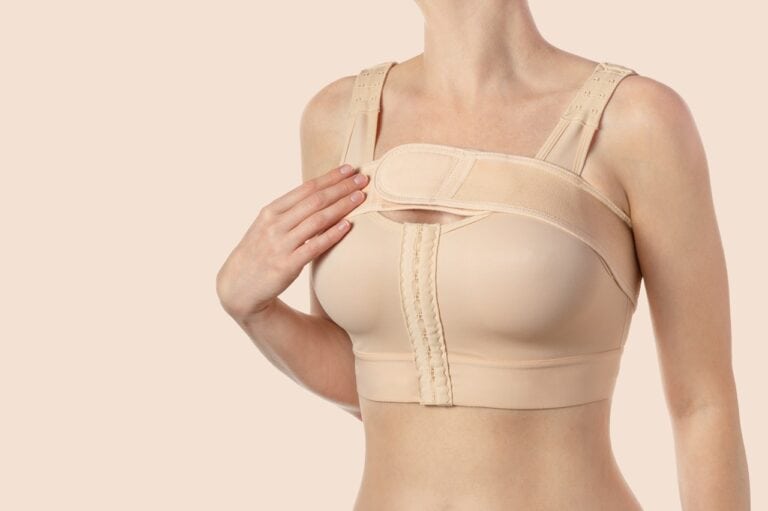
While many breast reduction surgeries do not require drains, some procedures may use them for a short period. Any time dressings, surgical bras after breast reduction, or drains limit your range of motion, driving may not be safe or possible.
Your surgeon will advise on when it is safe to switch to lighter support bras and when to remove bandages.
Alertness and Mental Clarity
Your body needs to feel rested, alert, and focused before driving returns to your routine. Grogginess from anesthesia or early healing can linger for several days. Restful sleep is essential because fatigue delays reaction time.
Each of these recovery milestones helps ensure that you return to driving safely and with confidence.
Factors That Affect Driving Readiness
Several important factors play a role in how quickly you can drive after breast reduction. Each patient’s situation is unique.
1. Type of Procedure Performed
Our surgeons offer different breast reduction techniques. Some versions require longer incisions or involve more tissue removal. This can mean more time before your comfort and mobility return.
2. Your Health and Healing Speed
Your age, general health, and preexisting conditions like diabetes affect your recovery timeline. Non-smokers and those with good nutrition often heal faster and enjoy less swelling.
It helps to let your surgeon know about any health conditions that could change your healing process. That way, the team can create a plan that fits your needs.
3. Pain Threshold and Medication Use
What feels comfortable to one patient may be bothersome to another. If minor discomfort lingers, wait until driving feels effortless instead of simply tolerable. It is always better to delay a bit longer.
4. Support at Home
A strong support system makes recovery less stressful. If you have a family member or friend to help with errands, you can wait until your body is fully ready before returning to the wheel.
Talk with your surgical team about your home environment and daily needs, since these factors can change your recovery plan.
The Step-By-Step Timeline for Returning to Driving
Many patients want to know exactly how soon they can drive after breast reduction surgery. The reality is that the answer will vary. However, we want to provide a general outline of what to expect.
Usually, the process involves the following milestones. Each should be verified by your surgeon before moving to the next level of activity.
First Few Days (0–3 Days After Surgery)
Your body needs rest and stability. You will likely feel groggy from anesthesia, and your chest will be supported by bandages or a surgical bra. Do not plan to drive during this early stage.
First Week (3–7 Days After Surgery)
Some patients notice improved comfort, but you will still be tired and sore. Prescription pain medication is usually required, so driving remains unsafe.
Second Week (7–14 Days After Surgery)
You may begin to taper off pain medication around the end of the first week. Some patients become comfortable using only acetaminophen or ibuprofen at this point.
If you no longer use narcotics, feel alert, wear only a soft surgical bra, and have no remaining drains, your surgeon may discuss testing your driving ability. Try moving your arms, seat belt, and steering wheel at home first. If you feel even mild discomfort, wait a bit longer.
After Two Weeks
Most patients can begin short, easy drives in their neighborhood at or after the two-week mark. Listen to your body and stop if you experience pain, weakness, or hesitation.
You must always obtain your surgeon’s formal approval before resuming regular driving, especially on highways or longer trips.
Warning Signs That You Should Not Drive Yet
Even when you want to get back behind the wheel, some clues mean you should delay driving a bit longer. Watch for the following warning signs. Speak with your surgeon right away if you notice any of them.
- Ongoing prescription pain medication: Prescription pain medications can slow your judgment and reaction time. You need to be off these medications before you drive.
- Limited shoulder or arm motion: You must move your arms freely and reach in all directions. Any pain or restriction makes driving too risky.
- Numbness in your chest or hands: Numbness can cause you to lose grip strength and feel disconnected from the wheel or controls.
- Persistent swelling or open wounds: These signs signal that your body needs more time without stress or strain.
If you spot any of these issues, keep focusing on healing before adding driving to your routine. Staying honest with yourself and communicating with your surgical team keeps you safe and helps you recover well.
How Legal and Insurance Issues Impact Driving After Surgery
Resuming driving too soon is not only a medical concern. It may also have legal or insurance consequences if an accident occurs before your body is fully ready.
State Laws and Rules for Post-Surgery Driving
States differ in their guidance and requirements for driving after surgery. In some areas, your surgeon’s written clearance serves as proof that you are fit to drive. Always ask your provider to make a note in your medical record about your readiness to drive again.
Car Insurance Responsibilities
Car insurance policies may not cover damage or injuries if you drive against your surgeon’s recommendations. Some policies have exclusions for accidents that happen when patients use certain medications or are physically impaired.
Notify your insurance company if you have any questions about your coverage after surgery. Saving all post-operative instructions in a folder will help you protect yourself in case of any dispute.
Tips for a Smooth and Safe First Drive
Your first time back in the driver’s seat after breast reduction may feel awkward or even a bit scary. Our team wants you to approach this new milestone thoughtfully and with the right preparation.
Here are some tips to make your first outing safe and stress-free:
- Start small: Choose flat, familiar streets near your home with little traffic for your first drive.
- Bring support: Ask a friend or family member to ride along until you feel completely comfortable.
- Wear safe clothing: Soft, supportive bras and loose shirts help protect your incisions and give you full range of motion.
- Adjust the car environment: Move your seat closer to the pedals and steering wheel if you feel weak. Lower the radio and turn off distractions.
- Set limits: If you notice fatigue, pain, or muscle weakness, stop and try again in a few days. Never push through discomfort while driving.
When you approach driving thoughtfully, your body and mind adjust more quickly. Each successful short trip builds comfort and confidence.
The Role of Your Surgeon and Communication in Recovery
Your surgeon plays an important role in getting you back to driving safely after breast reduction. Good communication sets the stage for a safe and efficient recovery.
Listening to Your Body and Sharing Concerns
Pay close attention to pain, fatigue, numbness, or any feelings of hesitation. If you notice anything that makes driving feel uncomfortable or risky, report it right away. Your surgeon can adjust your care plan or provide extra support.
Attending Follow-Up Visits
Post-operative appointments allow our surgeons to check your healing, steer you toward helpful resources, and answer questions about activity limits. Do not skip these check-ins, even if you feel well.
Adjusting Recommendations for Your Lifestyle
Every person and every surgery is different. Our team will tailor written driving guidance to your work, family, and daily needs. Honest conversations help us give the most helpful recommendations.
You should never feel rushed to drive sooner than your body or mind are ready. Your safety and recovery come before outside pressure or obligations.
Frequently Asked Questions About Driving After Breast Reduction
Patients who visit our practice often have similar questions about how driving fits into their recovery. We have answered some of the most common ones here.

Getting Back to Life After Breast Reduction
Patients at the New Orleans Breast Reduction Center receive attentive support through every step of healing, from surgery to driving and beyond. You safeguard your surgical investment and prevent sudden complications when you meet every recovery criteria before getting behind the wheel.
Every person heals in their own time, with final tissue settling continuing for months or up to two years after breast reduction. The best results come from following your surgeon’s advice, speaking up about challenges, and placing your safety above rushing back to daily routines.
If you feel ready to learn more about life after breast reduction or want guidance for your safe return to driving, please contact us. Our caring staff at the New Orleans Breast Reduction Center looks forward to helping you take your next step toward greater comfort, confidence, and well-being.